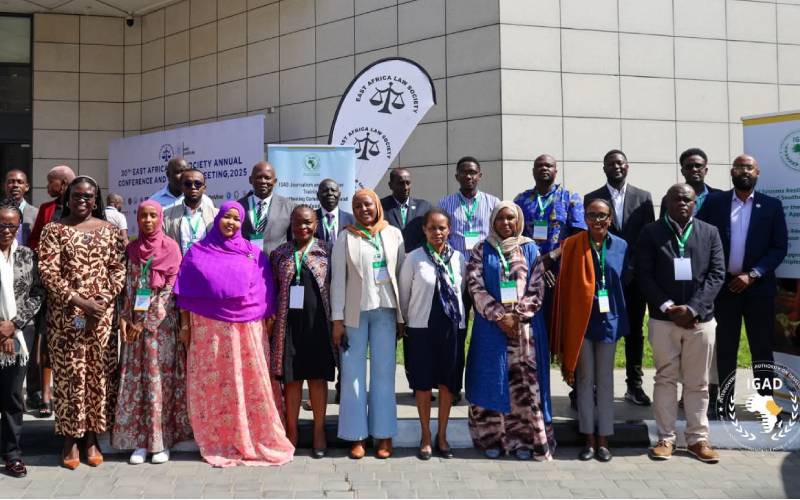

The vision of African Integration, advocated by the African Union and regional organisations like the IGAD, has persistently faced challenges since its inception. Its achievement might seem far-fetched, yet one initiative stands out as a crucial endeavour that aims to unite African nations through diplomatic ties.
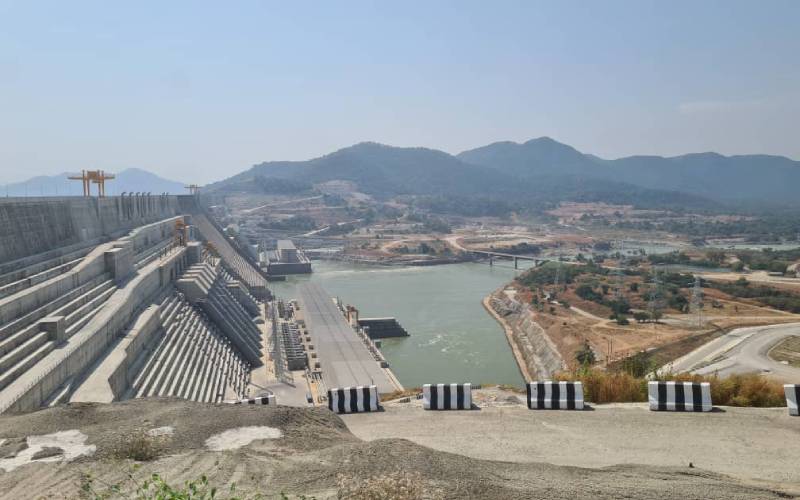
In the scorching mountains of Guba Lafto in Woreda district, located 680 kilometres by road and 248 kilometres by air from Addis Ababa, the capital of Ethiopia, lies the Grand Ethiopian Renaissance Dam (GERD). The dam covers approximately 74,000 square kilometres and boasts an installed capacity of 6,450 MW, and is hailed as a key contributor to water security in the IGAD region.
The construction of this dam on the Abay River, also referred to as the Blue Nile in Sudan, according to the Ethiopian government, plays a pivotal role in supplying the region with water during dry spells. It also states that the dam has the potential to mitigate flooding through its water reserves, calling on the IGAD and the East African member states to support the project.
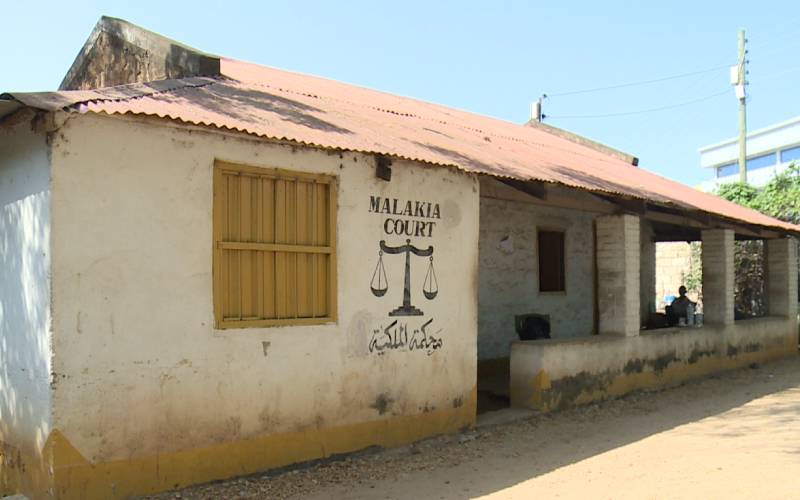
Across Africa, including in the IGAD region, over 500 million individuals lack reliable electricity. On May 23, 2022, the African Energy Portal revealed that South Sudan and Ethiopia had entered into a memorandum of understanding to construct a 357km, 230kv transmission line linking Gambella in Ethiopia to Malakal, the capital of South Sudan’s Upper Nile State, while a 700-kilometer line will connect Tepi’s distribution center in Ethiopia to Juba, the capital of South Sudan.
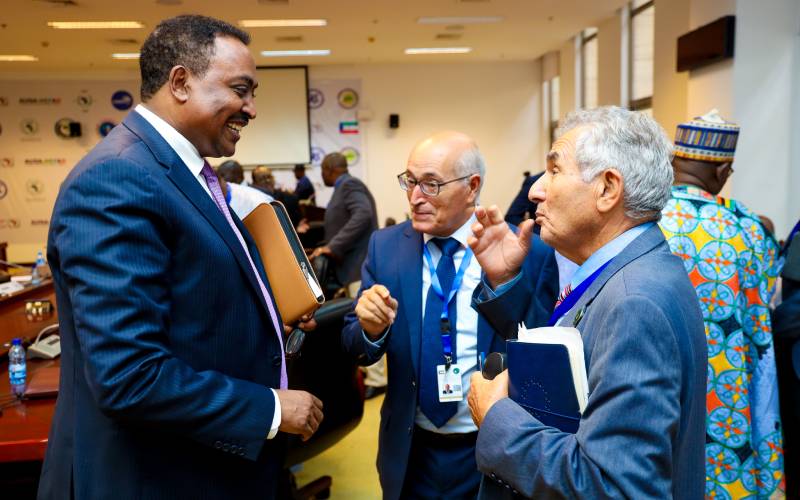
Ambassador Zerihun Abebe, Director General for African Affairs at Ethiopia’s Ministry of Foreign Affairs, indicates that multiple countries in the IGAD region and beyond stand to gain from the GERD initiative.
“We are connecting with Sudan, we are connecting with Djibouti, we are connecting with Kenya, and we are connecting with Tanzania, and our aim is to expand this interconnection to the rest of the region,” Amb. Abebe states.
He emphasises that the reservoir's capacity of 74 billion cubic litres of water will mitigate drought, particularly in lower riparian nations like Egypt and Sudan.
“Its significance is that it increases the water bank…, now we have more water, more water means we have 74 billion cubic litres of more water in our system. It means it can be used during drought, and it is in the best interest of the low riparian states, Egypt and Sudan,” he continues.
Regional
integration
Despite the African Union's broader vision of uniting African nations through diplomatic efforts and fostering intra-African trade, this aspiration has yet to be fully realised. Numerous tariff regulations and barriers still exist along Africa's borders, obstructing the seamless exchange of goods and services among member states.
For many years, the continent has relied on financial support from the World Bank and the International Monetary Fund, while some African countries are debt-struck.
Shimek’t Legese, an Ethiopian Journalist, sees the Grand Ethiopian Renaissance Dam (GERD) as a symbol for Africa’s regional unity, enhancing the solidarity and independence of African nations.
“It is now a sign of unity and a sign of sovereignty and economic independence of all Africans. It shows that Africans can run a huge project which cannot be financed by foreigners," he stated.
He states plainly that a trillion-dollar loan to African countries has failed to transform the lives of the African people over the decades, yet the GERD will make a difference.
“As Ethiopians did in Adowa victory, this is the second Adowa victory because in the past seventy years, more than one trillion dollars has been given for Africans, but there is no single project which can transform African lives,” Legese states with immense national pride.
Food Security
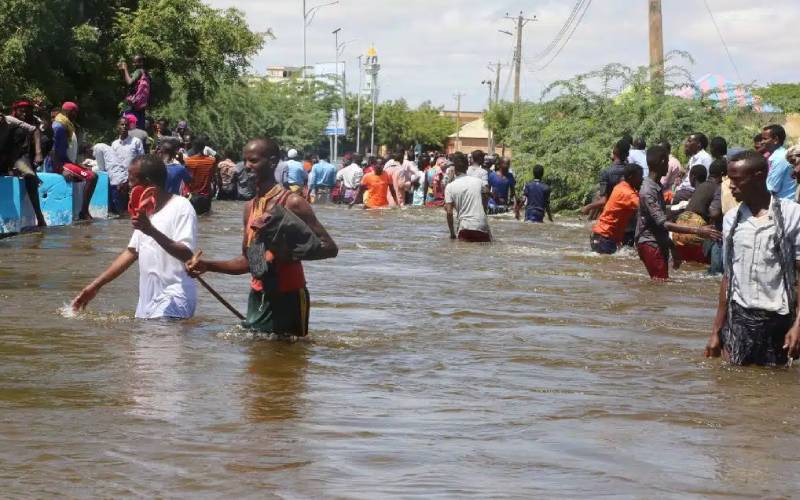
While droughts and floods threaten the livelihoods of people in African nations, the dam is expected to reduce carbon emissions as people transition from a heavy reliance on fossil fuels to clean energy.
Media reports reveal that by 2025, more than 20% of the population, or over 307 million individuals, will face food insecurity in Africa. In 2022, approximately 60.9%, about 868 million people, experienced moderate food insecurity, while 24%, which is 342 million people, endured severe food insecurity.
Abebe asserts that the modern electricity supplied by the GERD will enhance health, food, and environmental security in the area.
“When you are providing modern electricity source, you are preventing destruction of forests by the local people, that’s one thing. They will have their supper with their light in their homes, which means, more health security, more food security, more environmental security,” he states.
The seventh UN Sustainable Development Goal aims at providing access to affordable, sustainable, and modern energy by 2030. This objective includes a greater emphasis on renewable energy, enhanced energy efficiency, and improved access to electricity and clean cooking fuels.
Abebe indicates that GERD will generate more employment opportunities for the people of Ethiopia and the neighbouring countries by transforming the agricultural, industrial, and mining sectors.