
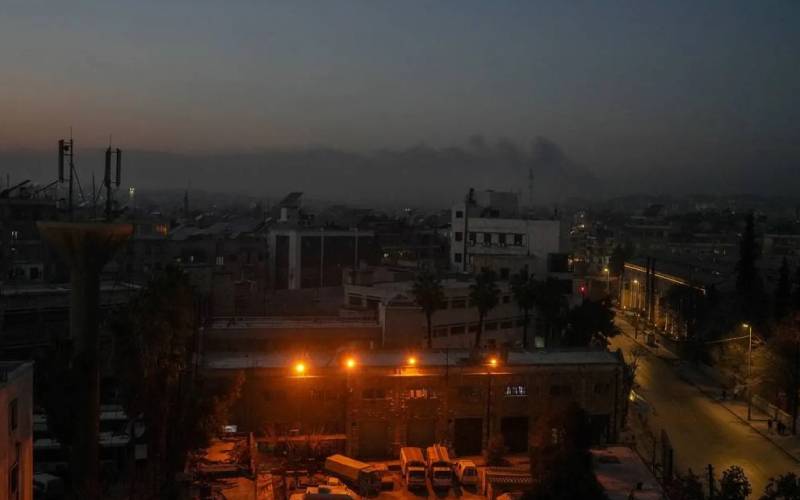
Renewed clashes in the crowded Syrian City of Aleppo have resulted in civilian casualties and displacement, interfered with vital services, and jeopardised essential civilian infrastructure, the International Committee of the Red Cross (ICRC) has disclosed.
The ICRC cautions that damage to water supply systems, electricity grids, healthcare facilities, and other critical resources could intensify humanitarian distress in a city already battered by years of conflict.
“Safeguard essential services and critical infrastructure that are vital for the population's lives and livelihoods,” the ICRC urged, calling on all involved parties to take measures to protect civilians, especially during military actions in densely populated zones.
A deadly battle flared for the third day on Wednesday between the Syrian Army and the Syrian Democratic Forces (SDF) as talks for the integration of the Kurdish-led forces into the Syrian Central government failed. According to media sources, at least six people have been killed, including two women and a child, with tens of thousands displaced from their homes.
Aleppo, which was once Syria's largest city and a major commercial centre, was a key battleground during the peak of the Syrian conflict from 2012 to 2016. That era witnessed widespread devastation, continuous displacement, and significant harm to hospitals, educational institutions, and water systems.
Although major hostilities decreased post-2016, the city has endured sporadic violence, shelling, and security incidents, frequently leading to temporary service interruptions and renewed population shifts.
Previous flare-ups in and near Aleppo have resulted in assaults on healthcare facilities and obstructed humanitarian access, raising concerns from international organisations regarding breaches of international humanitarian law.
Many residents are subject to protracted risks, with their livelihoods disrupted and public services only partially reinstated following years of rehabilitation efforts.
In its most recent statement, the ICRC also appealed for the respect and protection of medical personnel and facilities, as well as safe and voluntary movement for civilians intending to exit affected regions. The organisation highlighted the urgent need for immediate and unhindered access for humanitarian and medical workers to assist those in need.