
Multiple international partners and foreign embassies in South Sudan have condemned the recent attack and theft targeting a World Food Programme (WFP) convoy in Upper Nile State's Baliet County, highlighting it as a significant setback for humanitarian efforts in a nation already grappling with extensive hunger and population displacement.
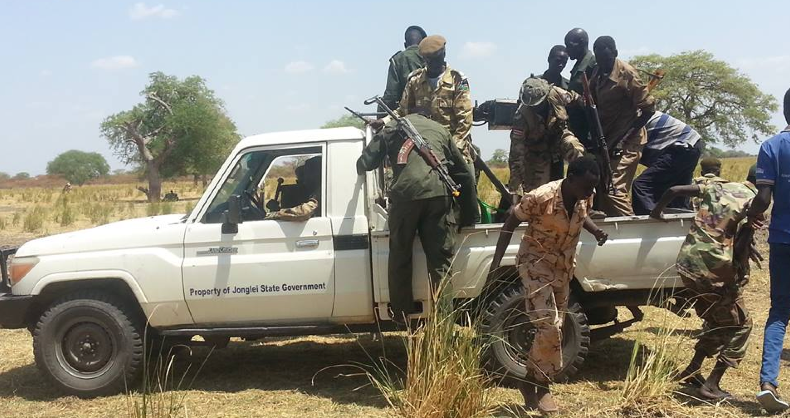
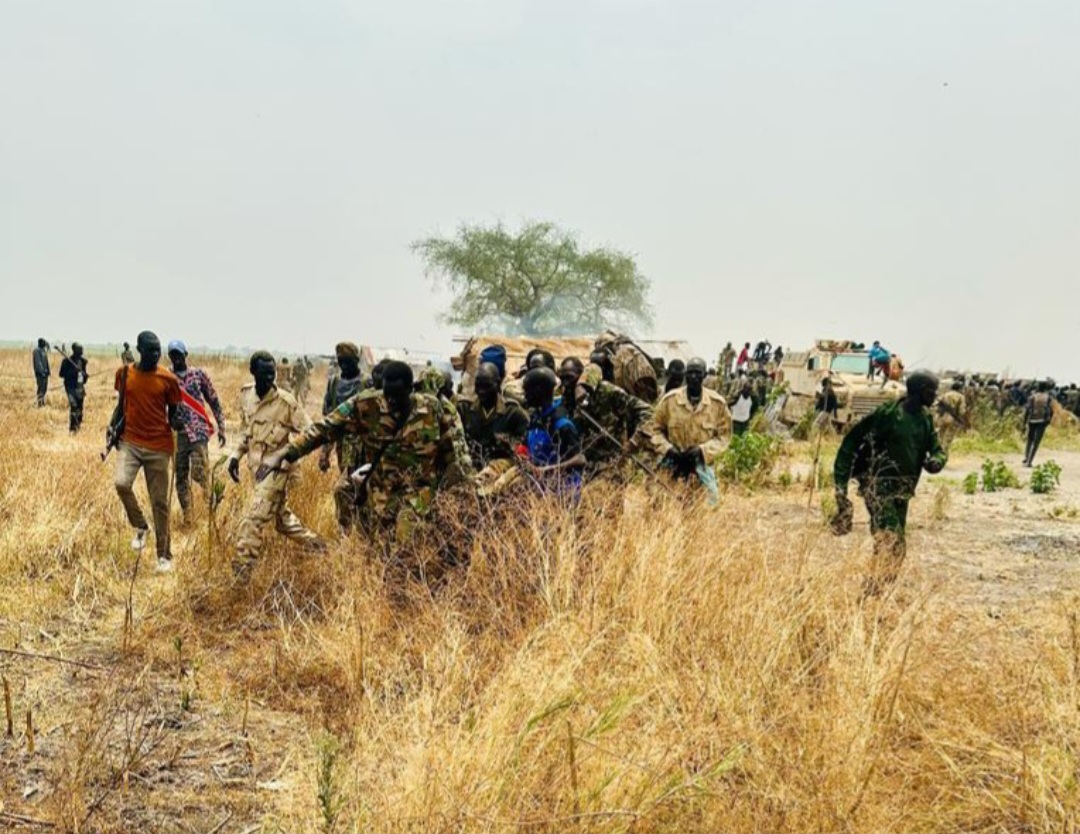
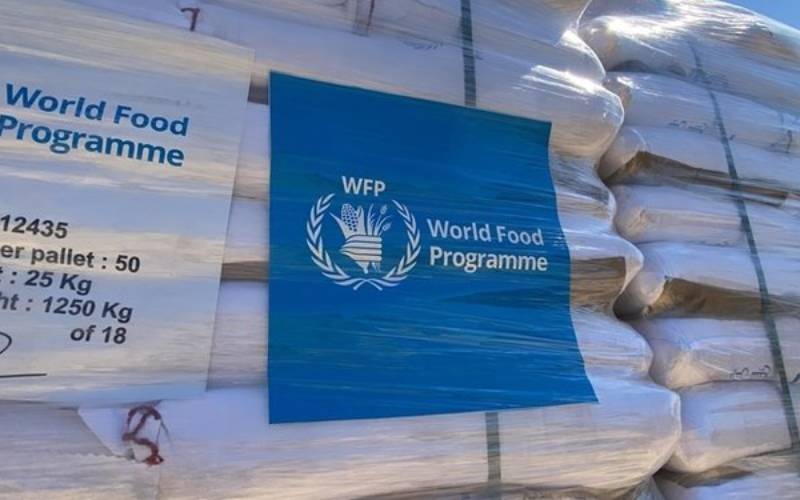
In a collaborative statement issued on Thursday, the embassies from Canada, France, Germany, Japan, the Netherlands, Norway, the United Kingdom, the United States, and the Delegation of the European Union reported that twelve WFP boats carrying essential food supplies were attacked and looted. The convoy was delivering over 1,500 metric tons of food intended to assist around 73,000 individuals in Baliet County.
“Attacks on humanitarian and medical facilities are entirely unacceptable,” reads the joint statement.
The diplomatic missions urged the transitional government of South Sudan to promptly recover the food and other resources that were taken from humanitarian workers who were on the boats. They emphasized that contributions from international taxpayers for humanitarian assistance should be safeguarded and utilized to save lives, not lost due to violence and criminal acts.
The statement also urged leaders at all levels within South Sudan to ensure safe and unimpeded access for humanitarian organizations providing aid to communities affected by famine, malnutrition, and displacement due to conflict.
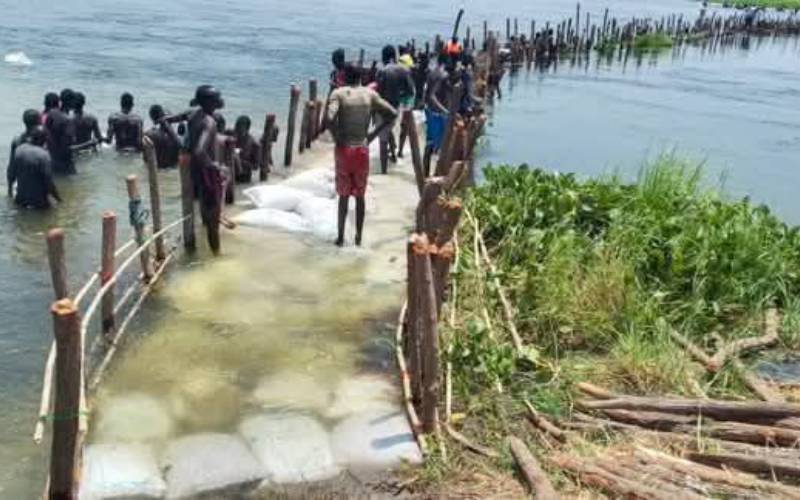
Upper Nile State has been one of the states most severely impacted by conflict and food insecurity in South Sudan for a long period. Ongoing confrontations between armed factions, seasonal floods, and inadequate infrastructure have severely hindered aid organizations' ability to access isolated communities.
Numerous regions depend largely on river transportation, especially along the Nile, for the distribution of food and medical resources. The World Food Programme is one of the major humanitarian organizations in the country, offering emergency food aid to millions annually.
Humanitarian groups report that more than half of South Sudan's population still experiences critical food shortages, with children and displaced individuals being particularly vulnerable.