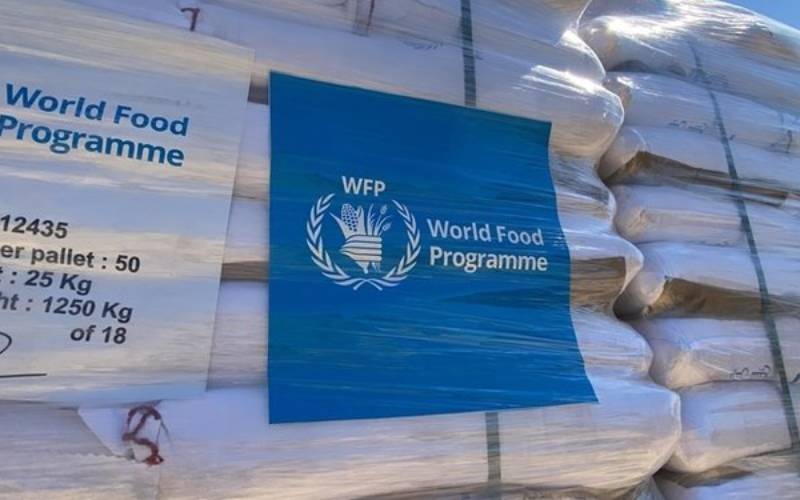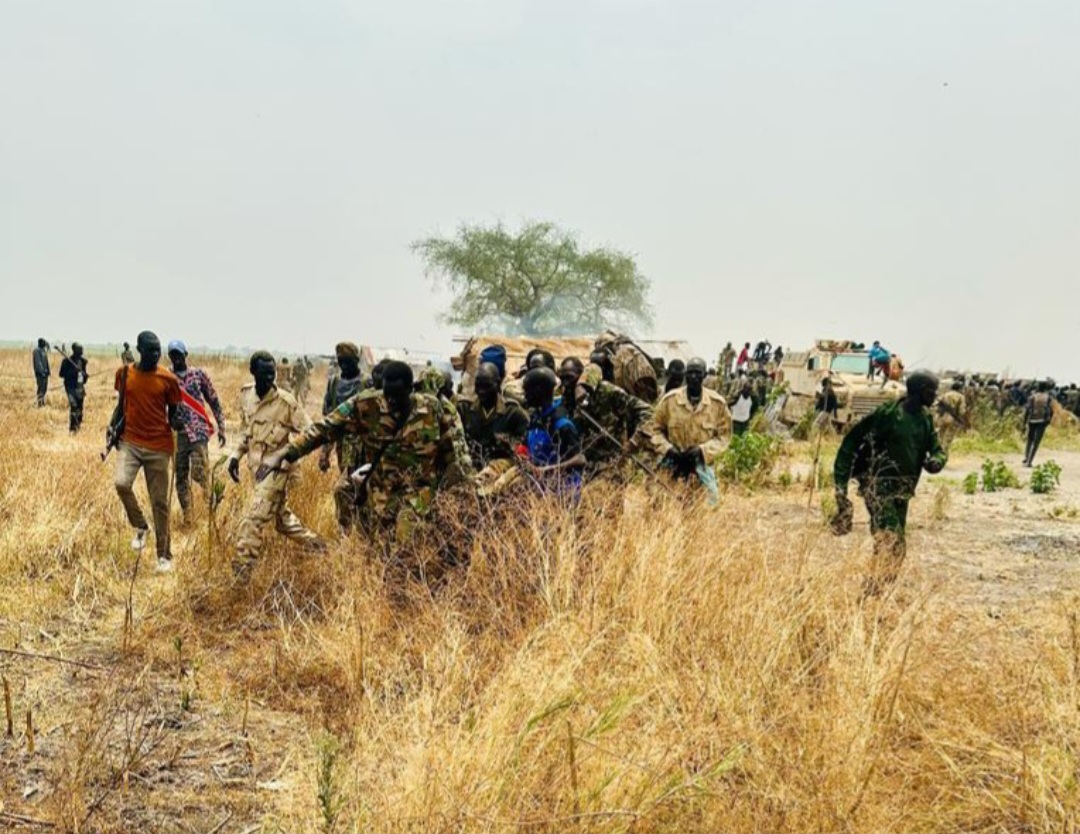

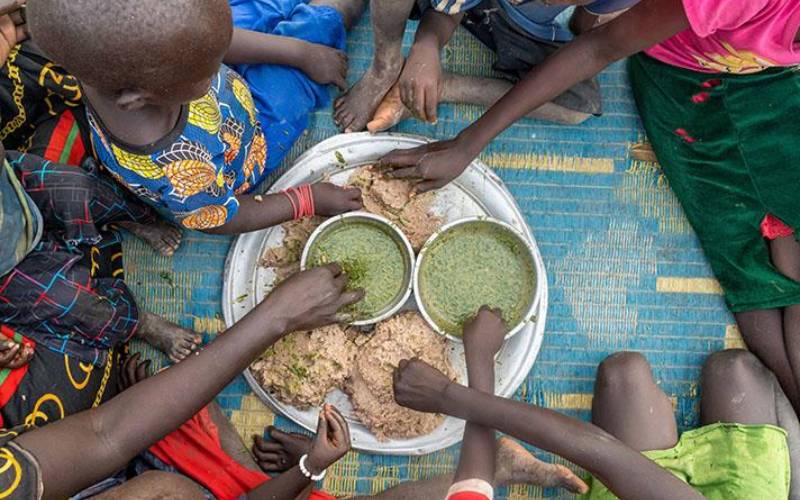
As the fighting in Jonglei State continues, causing mass displacement and driving hunger levels towards catastrophe, the United Nations World Food Programme (WFP) has called for USD 341 million to continue life-saving humanitarian operations throughout South Sudan in 2026.
Hundreds of thousands of recently displaced people are escaping conflict in Jonglei, where instability has affected livelihoods, markets, and access to essential services. The funding request comes as WFP steps up emergency food assistance for these individuals.
In order to reach remote areas, the organization is increasing food supplies via rivers and getting ready to start road convoys again when security permits. In order to help almost 4.2 million people throughout South Sudan in 2026, WFP urgently needs USD 341 million.
An estimated 280,000 people have been displaced by renewed conflict, further straining a region already severely food insecure for almost 60% of its population, or 1.2 million people. Many families are now escaping violence with little to no access to food, having previously been devastated by years of flooding that ruined farms and livelihoods.
“This is a critical turning point,” said Adham Effendi, WFP’s Acting Country Director in South Sudan. “People in Jonglei were already struggling after severe flooding destroyed their homes and livelihoods; now they are forced to flee, risking their lives.”
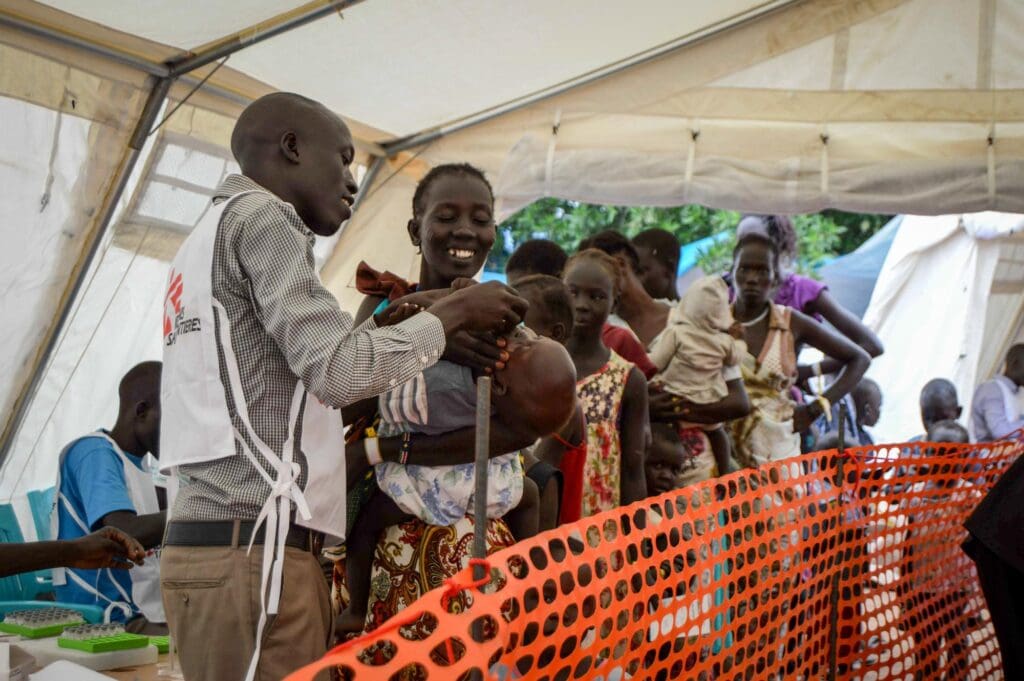
WFP intends to provide emergency food and nutrition assistance to up to 500,000 people in Jonglei, including recently relocated families in Canal Pigi who are being registered for aid, some of whom are receiving it for the first time since the crisis started. However, access to humanitarian aid is still hampered by persistent insecurity.
In recent days, there have been major setbacks to aid activities. Activities in Nasir were temporarily halted after the death of a contractor assisting with WFP airdrop operations in Upper Nile State. At the same time, supply channels have been disrupted and the larger humanitarian response organized through the Logistics Cluster has slowed due to insecurity, which has caused the suspension of flights and road convoys to sections of northern Jonglei.
Due to limited air and land access, WFP and its partners are depending more and more on river corridors to provide aid. Given that hunger is expected to rise in the upcoming months, especially in places that are prone to flooding and war, these initiatives are said to be crucial.
Due to a confluence of economic instability, climate shocks, and conflict, South Sudan continues to be one of the world's most precarious humanitarian situations. While frequent flooding has severely damaged agricultural output and hindered recovery, years of intercommunal violence and displacement have weakened resilience.
The World Food Program warns that millions of vulnerable people may experience severe food shortages in the absence of immediate assistance, with certain regions potentially reaching catastrophic levels of starvation.
The largest humanitarian organization in the world, the United Nations World Food Programme, helps communities impacted by catastrophes, conflict, and climate change recover over the long term while also providing emergency food aid.