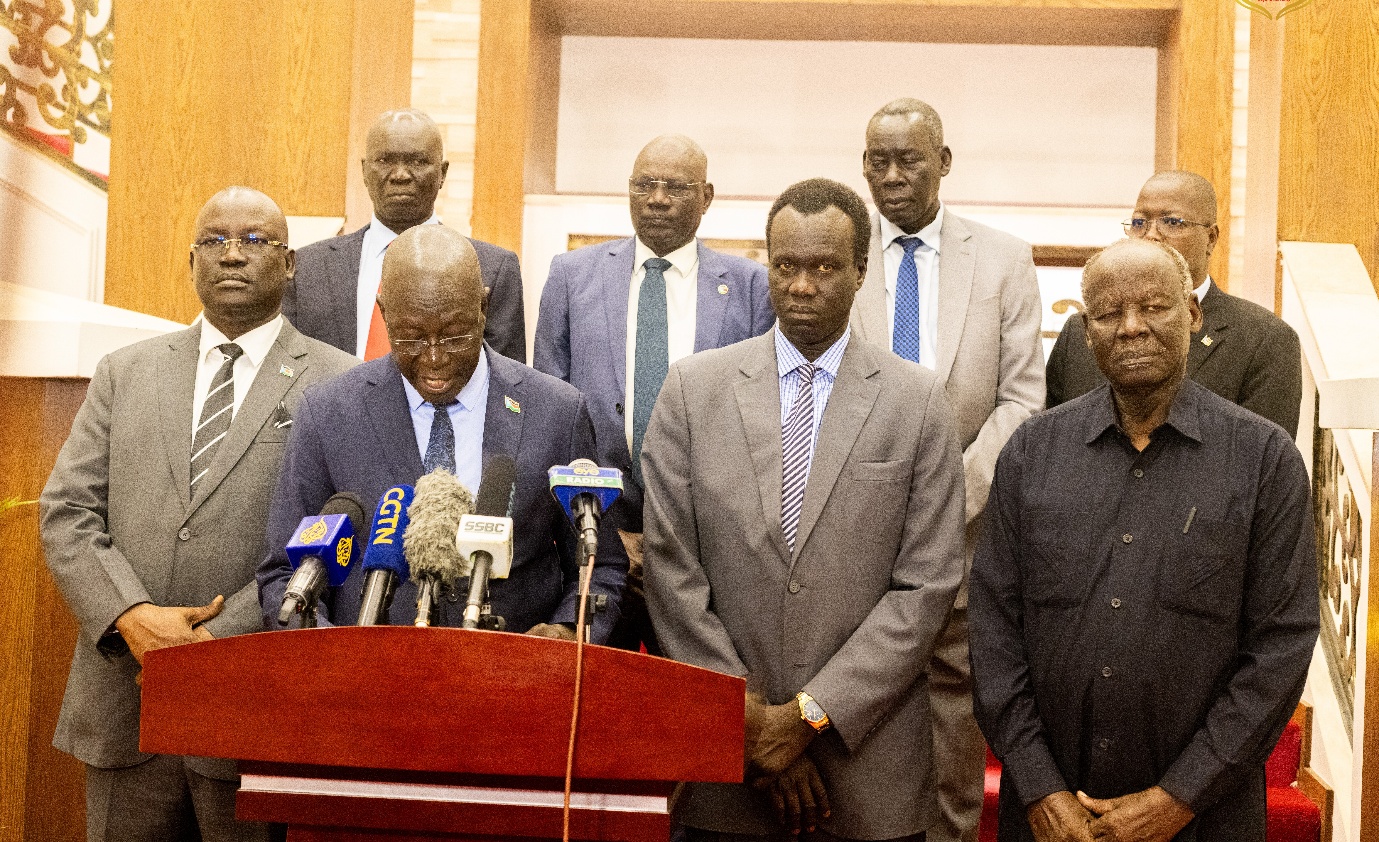

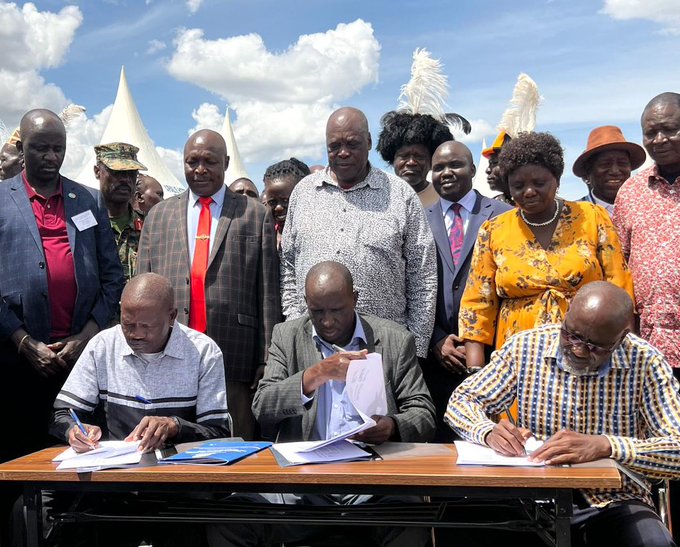
The Ateker communities from South Sudan, Uganda, Kenya, and Ethiopia formed a council in Lodwar, Kenya, on Thursday.
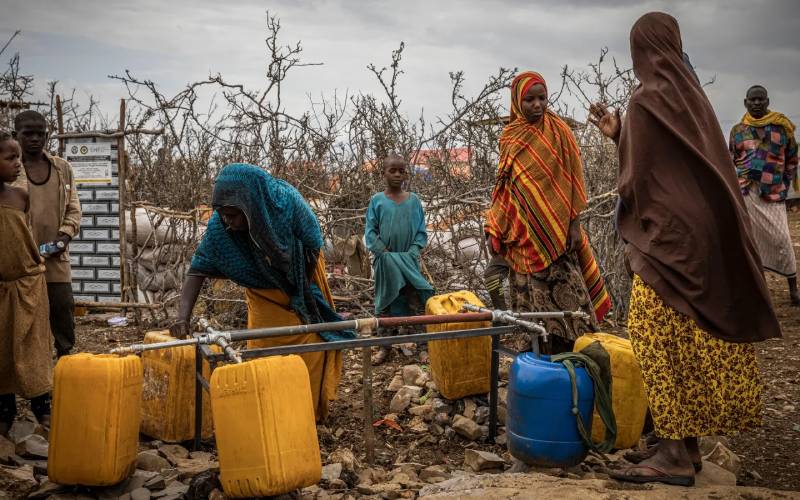
The communities have been experiencing insecurity and conflict due to competition over scarce resources like water and pasture, and fueled by the possession of illegal firearms, poverty, and cross-border disputes.
Camlus Omogo, the Director of IGAD’s Conflict Early Warning and Response Mechanism, mentioned that this council would contribute to achieving lasting peace among the Ateker communities, including the Turkana, Iteso, Toposa, Nyangatom, and Karamoja.
“The Council brings together Ateker leaders and elders to build trust, address shared challenges, and promote peaceful coexistence across borders,” reads the social media post shared by the IGAD’s Conflict Early Warning and Response Mechanism.
The Ateker Leaders’ Council is a collaborative effort involving the governments of Kenya, Uganda, South Sudan, and Ethiopia, and is closely working in collaboration with the East African Community (EAC), IGAD, the African Union (AU), and GIZ.
According to the Intergovernmental Authority of Development (IGAD), the council is community-led and aims to enhance dialogue, prevent conflict, and encourage cooperation across borders.
Omogo stressed that creating this council would facilitate movement, enhance livelihoods, and strengthen collaboration among communities.
In November 2024, the Ateker border communities, consisting of Kenya’s Turkana, Uganda’s Karamojong, and South Sudan’s Toposa and Didinga, agreed on a joint commitment report in Moroto, Uganda, aimed at promoting peace and cultural ties.
The leaders acknowledged that illegal firearms were causing instability along the border and committed to resolving disputes at the community level.
Community leaders called on the governments of Kenya and Uganda to recognise an agreement focused on resource-sharing for the welfare of all participating communities.